How to Assess a Hangover and Recognise Danger Signs
Fact-checked on
In this article
A hangover can involve headache, thirst, tiredness, nausea and poor concentration after drinking alcohol. A humorous one-to-five-star scale is not a medical test and cannot tell you whether you are safe to drive.
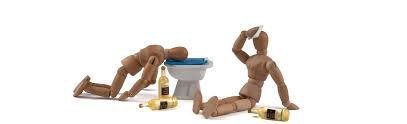
This is general health information. Symptoms after drinking can also have other causes.
What to Check
Notice whether the person is awake, breathing normally and able to respond. Do not assume someone who is unconscious simply needs sleep.
What to Do
- Stop drinking alcohol and avoid activities requiring concentration or coordination, including driving and operating machinery.
- Rest in a safe place. Drinking more alcohol, coffee or taking a cold shower does not cure a hangover.
- Seek medical advice for severe, unusual or worsening symptoms rather than relying on a rating scale.
- If someone may have alcohol poisoning, get emergency help immediately and stay with them.
Danger Signs
Confusion, difficulty staying conscious, seizures, slow or irregular breathing and cold or clammy skin are signs of possible alcohol overdose. Vomiting in someone who is very drowsy or unconscious is also dangerous.
Warning: Do not leave an unconscious person alone or try to make them drink. If they are breathing, place them on their side while waiting for emergency assistance and follow the responder’s instructions.
