3 Traditional Foods for a Varied Kenyan Diet
Fact-checked on
In this article
Sweet potatoes, cassava and managu can all form part of a varied Kenyan diet. They contribute different nutrients, so think about the whole meal rather than treating any single food as a cure or a complete diet.
1. Sweet potatoes (ngwaci)
Sweet potatoes provide carbohydrate for energy. Orange-fleshed varieties contain beta-carotene, which the body can convert to vitamin A. Nutrient levels vary by variety and preparation; pale-fleshed sweet potatoes should not be assumed to provide the same amount.
Try boiled or steamed sweet potato with a protein food and vegetables rather than relying on a sweetened drink to complete the meal.
2. Cassava
Cassava root is primarily a starchy energy food. It should not be described as a high-protein substitute for beans, eggs or other protein foods.
Preparation is essential because cassava contains compounds that can release cyanide. The processing needed depends on the variety and product.
Warning: Do not eat raw cassava. Use cassava intended for food and follow established safe processing guidance. Cooking alone should not be assumed to make every high-cyanide variety safe.
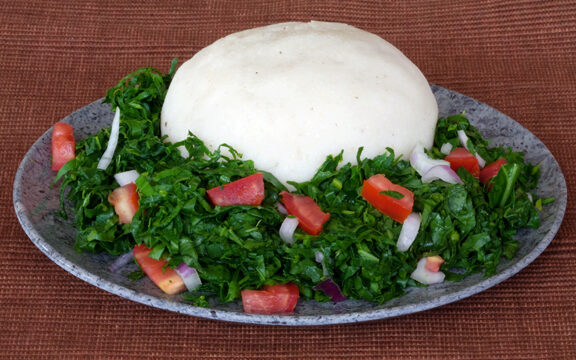
3. African nightshade (managu)
Edible African nightshade leaves add vegetables and micronutrients to a meal. Nutrient values change with variety and cooking, so avoid unsupported claims that every serving provides a particular vitamin level or treats disease.
Wash and prepare vegetables intended for food. See how to cook managu for a related recipe.
Tip: Include a range of food groups across your meals. These foods have different roles and do not need to replace every other nutritious food.