8 Ways to Spot False or Misleading News
Fact-checked on
A forwarded message or convincing headline is not proof that a claim is true. Pause before sharing, especially when the information could affect someone’s health, safety or reputation.
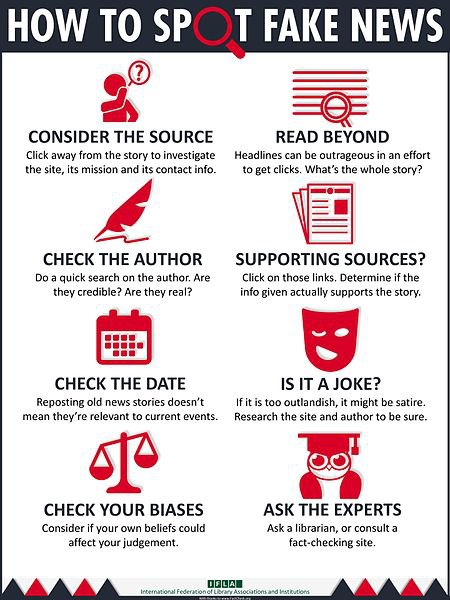
Eight Checks
- Check the publisher. Look at the actual website address, ownership and contact information. A familiar logo can be copied.
- Read beyond the headline. Check whether the body supports the claim or adds conditions the headline omits.
- Check the author. Look for relevant knowledge and accountability. A name alone does not prove expertise.
- Check dates and context. An authentic old report can mislead if presented as a new event.
- Examine the evidence. Open linked documents and check that quotations and figures mean what the article claims.
- Look for independent confirmation. Several pages copying one source are not several separate confirmations.
- Notice bias and satire. Ask whether you are accepting the claim because it fits your views, and whether the original was a joke or opinion.
- Ask a suitable expert. For technical or disputed claims, consult a relevant professional or a credible fact-checking organisation.
Tip: For Kenyan public-service details, start with the responsible authority’s official notice or service page.
Warning: Good grammar and a professional layout do not guarantee accuracy. If you cannot verify a consequential claim, do not present it as established fact.


